

With conjure-up 2.2.2 out the door we bring a whole host of improvements!sudo snap install conjure-up --classic Improved LocalhostWe recently switched over to using a bundled LXD and with that change came a few hiccups in deployments. We’ve been monitoring the error reports coming in and
GNOME We’ve migrated ubuntu-session to a new unity-session package. This means that the default session is GNOME Shell and people can install Unity 7 and its related packages via unity-session. The migration is working well so far, but we still have some more work to do in order to make sure everything “just works”. LivePatch
The purpose of this communication is to provide a status update and highlights for any interesting subjects from the Ubuntu Server Team. If you would like to reach the server team, you can find us at the #ubuntu-server channel on Freenode. Alternatively, you can sign up and use the Ubuntu Server Team mailing list. Spotlight: Bug
Ubuntu has a long history in the cloud. It is the number one guest operating system on AWS, Azure and Google Cloud Platform. In fact there are more Ubuntu images running in the public cloud than all other operating systems combined. Ubuntu is a free operating system which means anyone can download an image, whenever
This newsletter is to provide a status update from the Ubuntu Kernel Team. There will also be highlights provided for any interesting subjects the team may be working on. If you would like to reach the kernel team, you can find us at the #ubuntu-kernel channel on FreeNode. Alternatively, you can mail the Ubuntu Kernel
Join us for a 1 hour online session with a cloud expert OpenStack and Containers Office Hours are online Q&A sessions held on an ongoing basis. Their aim is to help community members and customers deploy, manage and scale their Ubuntu-based cloud infrastructure. What’s covered? These interactive online sessions are hosted by an expert fro
The purpose of this update is to keep our community engaged and informed about the work the team is doing. We’ll cover important announcements, work-in-progress for the next release of MAAS and bugs fixes in release MAAS versions.MAAS SprintThe Canonical MAAS team sprinted at Canonical’s London offices this week. The purpose was to review

This is a guest post by Jonathan White (find him on Github) one of the developers behind keepassxc. If you would like to contribute a guest post, please contact ubuntu-iot@canonical.com . Can you tell us about KeePassXC? KeePassXC, for KeePass Cross-Platform Community Edition, is an extension of the KeePassX password manager project that

Newsletter signup

The purpose of this weekly update is to make sure our community can follow development with toes dipped in before and between jumping headlong into helping shape Ubuntu Server! Spotlight: Task Tracking The Canonical Server Team is using Trello to track our weekly tasks. Feel free to take a peek and follow along on the Ubuntu
GNOME Further theme fixes have been made in Artful to get GNOME Shell and Ambiance looking just right. Network Manager is updated to 1.8. It is currently awaiting the resolution of some test issues before it migrates to the release, but that should take place in the coming days. GNOME Terminal received a small fix
In the hunt for the perfect communication platform or protocol, a lot of companies are experimenting, which can lead to some confusion as not everyone is moving at the same pace: one team on IRC, another one on Slack, one on “anything but Slack, have you tried Mattermost? It’s almost like RocketChat”. Then, if a
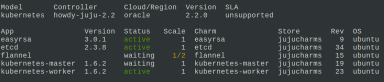
We are excited to announce the release of Juju 2.2.0 and conjure-up 2.2.0! This release greatly enhances memory and CPU utilisation at scale, improves the modelling of networks, and adds support for KVM containers on arm64. Additionally, there is now outline support for Oracle Compute, and vSphere clouds are now easier to deploy. conjure-
Introduction As you may know, LXD uses unprivileged containers by default. The difference between an unprivileged container and a privileged one is whether the root user in the container is the “real” root user (uid 0 at the kernel level). The way unprivileged containers are created is by taking a set of normal UIDs and
As modern IT evolves, there have been many milestones along the way. Starting with bare metal servers, followed by virtualization, then cloud computing, and beyond. Each advancement has created both challenges and opportunities for IT professionals. Today the industry is focused on deploying solutions that will improve overall IT operatio
Introduction As you may know, LXD uses unprivileged containers by default. The difference between an unprivileged container and a privileged one is whether the root user in the container is the “real” root user (uid 0 at the kernel level). … Continue reading →
Introduction This blog is to provide a status update from the Ubuntu Kernel Team. There will also be highlights provided for any interesting subjects the team may be working on. If you would like to reach the kernel team, you can find us at the #ubuntu-kernel channel on FreeNode. Alternatively, you can mail the Ubuntu
Ubuntu tech blog
Deep dives for developers
Visit the Ubuntu Tech Blog for deep dives into product features, step-by-step tutorials, and the latest updates from Canonical's engineering teams.